





What Marketers Need to Know Before the Whistle Blows
Every fall, as football season kicks off, marketers, agencies, and brands roll out campaigns that need to capture every bit of big-game energy: a touchdown, a packed stadium, a crowd on its feet.
But using sports media content can be harder than it looks. Sometimes a client might want a sports clip that just looks professional. Other times, they may need the real deal.
Those two goals lead down very different paths, and each comes with its own rights, costs, and roadblocks.
At Six Degrees, we know how to handle every sports clearance needed.
What Do You Mean by Sports Media Content?
While it may be football season at the time of writing this blog, sports media content encompasses any and all sports, from baseball and soccer to tennis and hockey.
Sports media content spans any sport and is categorized by the type of content: game footage, player clips, and still images from professional, college, and other leagues. Video footage is often the more popular format, with stills as a common alternative to potentially keep costs down.
Sports hold a unique space in the hearts and minds of nearly every culture worldwide. There’s a deep resonance for fans that can be difficult to put into words.
Naturally, sports media content can pull a lot of weight in a campaign, ad, film, or documentary. It brings the excitement, credibility, or cultural relevance of sports into a project.
Do You Need the Real Game or Just the Look of It?
This is the first question to answer, and it shapes everything that follows.
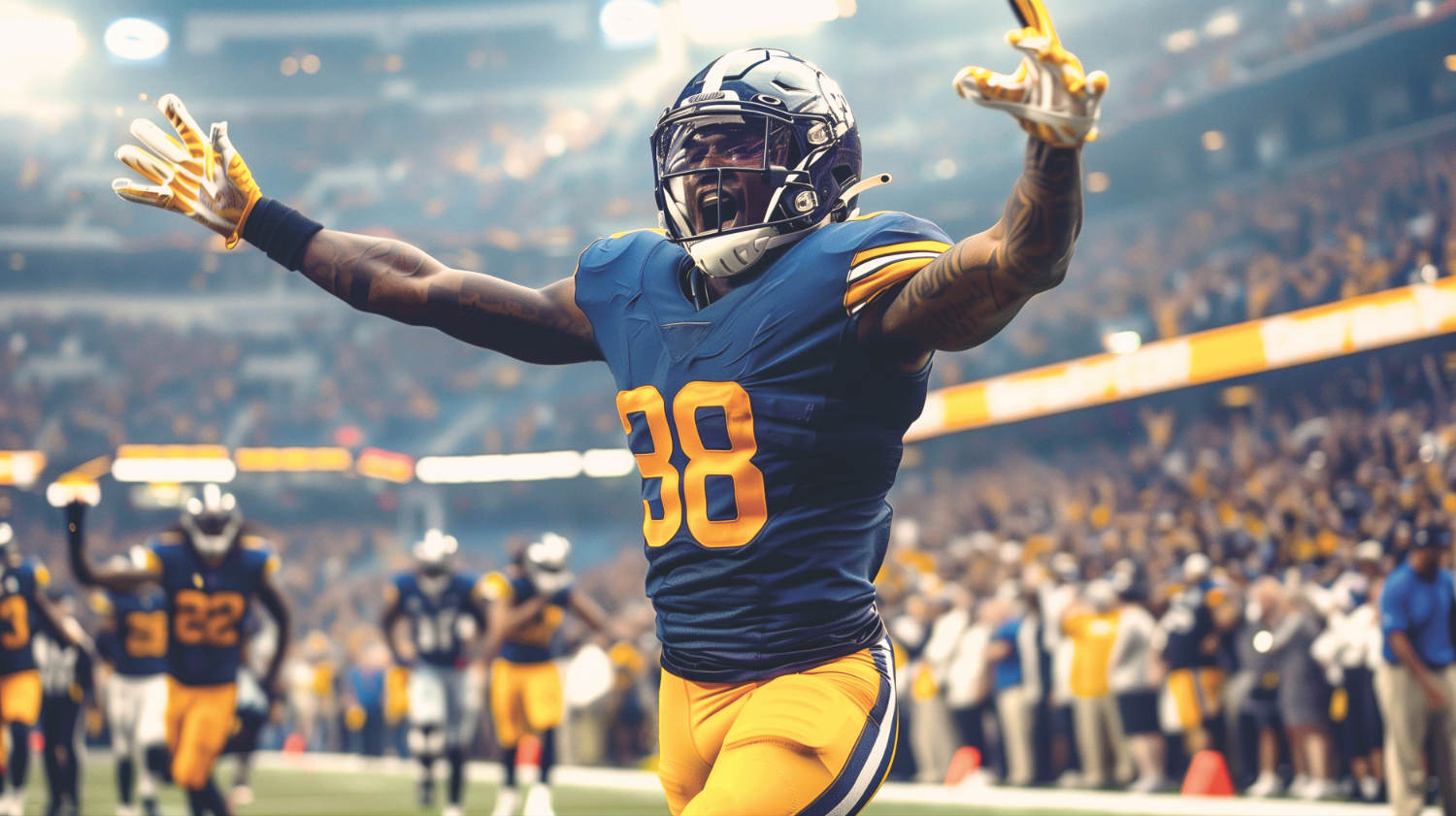
For projects that need the feel of a big game but not a specific team, player, or league, you have a lot of flexibility.
- Wide shots that don’t feature individual players avoid many of the clearance issues that come with identifiable athletes.
- Alternative professional leagues with established relationships can offer high-quality content at a lower price.
- Depending on how content is used, that footage can often be adapted to fit the scene. A clip could be used smaller on a mobile phone screen in an ad instead of full screen to secure the license. Application matters.
If a concept depends on the real deal, a specific league, team, or moment, the license may be a bit more difficult and likely more expensive. That means identifying the right rights holders and negotiating for the proper use you have in mind.
The right choice of media really depends on your creative goals, your budget, and your timeline. The important part is knowing which path you’re on before the search begins.
Why Grabbing From Getty Doesn’t Always Work
It’s true that many editorial sports images are available from photo agencies like Getty. But for most, that license is just the starting point.
Using sports content commercially often involves additional layers of permission, including:
- Broadcast rights for footage that originally aired on television
- League approval
- Team Approval
- Location clearance for the stadium or venue
- Brand logos on jerseys, signage, and equipment
- Player name and likeness clearances
Even one absent approval may turn a piece that looked ready to launch into a swing and miss.
Navigating these layers is where an experienced clearance team like Six Degrees can save the play.
How Does Clearance Work Across Major Leagues, College Sports, and More?
The level of clearance difficulty varies a lot depending on where the content comes from.
The major professional leagues (NFL, MLB, NBA, NHL, etc.) are generally straightforward to clear. However, you often need to be a sponsor to access their content. To play in the big league, you have to pay. Connecting with the league contact who calls the shots typically covers all the necessary rights in one conversation. The tradeoff is price.
College sports are a different story. Rights are often more dispersed, with different conferences, broadcast partners, regular-season games, playoffs, and school partnerships all playing a role. In 2021, the NCAA changed its rules, allowing student athletes to profit off of their name, image, and likeness, also known as NIL rights. With this shift comes additional hurdles. At Six Degrees, we know how to navigate and negotiate with player agents, advising on how to go about NIL clearance.
Non-major professional leagues also tend to have rights spread across more parties. With the lower cost of content, knowing who to call and how to get clearances matters. And we’ve got the database and relationships to secure the content you need.
What Drives the Cost of Sports Footage?
The cost of professional and college sports can sometimes be surprising. A few factors make the biggest difference:
- Player prominence: A clip centered on a star player will cost more than one that doesn’t feature anyone identifiable.
- Conference: In college sports, the conference involved can change the price.
If the ballpark figures are out of reach, there are often alternative options to bring your campaign to life. When a client wants a college football touchdown, we can present a range of choices, from major player moments to lower-cost wide shots that sidestep individual player clearances.
If the pricing for top-tier leagues doesn’t fit the budget, our Rolodex of minor leagues, alternative leagues, niche stock sources and other solutions are options the Six Degrees team has for your project.
What Does the Process Look Like With Six Degrees?
The process depends on where the client starts.
If you’ve already chosen a specific clip or still for your project, our team checks our database to find the right contact for that content and reaches out to begin clearing it.
If you have a general idea, like a college football touchdown, a tennis win, a boxing knockout, we research the available options and present them at different price points, so you can weigh creative impact against budget before committing.
Either way, Six Degrees has the edge. We maintain an up-to-date database of sports footage sources, regularly contacting those rights holders to ensure we’re never starting from square one.
What About Retired Athletes and Historic Content?
With retired athletes and historic moments, the person’s rights and the footage’s rights are often separate negotiations with separate parties.
Take a project involving tennis legend Billie Jean King. We coordinated with her team to clear her name, image, and likeness, and obtained permission for the content itself separately from the organization that owns the footage, such as the United States Tennis Association, stadiums like Wimbledon, or tournaments like the French Open.
Case Study: Stadium Imagery Across the Major Leagues
A few years ago, a leading global online ticket marketplace came to us to update the stadium imagery on its website. The project meant contacting stadiums and teams across the major sports leagues like the NFL, NHL, and NBA.
The challenge was that conflicts of interest and existing ticket-seller partnerships got in the way. Some venues and teams had relationships that made it difficult or impossible to grant permission to a competing ticket marketplace.
In the end, despite the odds, the Six Degrees team succeeded by clearing more than a third of the stadiums we connected with.
For the remaining stadiums, the client was able to use existing stock imagery or follow recommendations from our team.
It’s a good example of why early research matters. Knowing what’s realistic up front, and having a backup plan for the content that can’t be cleared, keeps a project moving.
Need Help Clearing Sports Content?
Whether you want the look of the game or the real thing, Six Degrees can help you find the right content and clear it properly. Our team has the contacts, the database, and the experience to knock your project out of the park.
Reach out to our Six Degrees team today to talk about your next sports project.


